LOGOLOGOLOGOLOGO
    • About us
      • What we do
      • Who we are
        • Governance
        • Staff
        • Vacancies
    • Members
      • EuropaBio Members
      • About Membership
    • How we work
      • Healthcare Biotechnology Council
        • Patient BioForum
        • Study – Impact of the EU’s General Pharmaceutical Legislation
      • Industrial Biotechnology Council
        • EFIB
        • Microorganisms
      • National Associations Council
      • SME Platform
      • Biomanufacturing Platform
        • Biotechnology in our Lives
    • Activities
      • 25 Years of Innovation
      • The EU Biotech Act
      • European Biotech Week
      • EU Projects
        • PRIMED Project
        • APROVALS Project
    • News & Events
      • News
      • Events
    • Library
    Become a member
    ✕

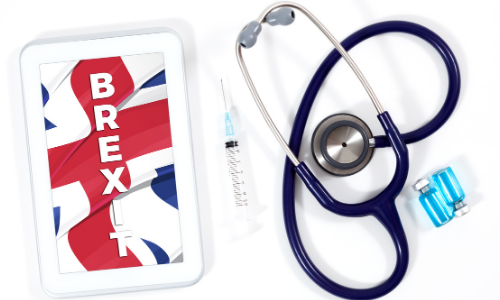
    BREXIT Life Sciences Coalition – Joint Position Paper
    28/12/2017
    POSITION PAPER

    BREXIT Life Sciences Coalition - Joint Position Paper

    The associations representing the European and British life science industry (AESGP, ABPI, BIA, BGMA, EBE, EFPIA, EUCOPE, EuropaBio, Medicines for Europe, PAGB, Vaccines Europe) have today launched a joint policy document on the potential impact of the United Kingdom’s exit the European Union.

    Today, organisations representing the life science industry in the EU and the UK have called for medicines to be a priority in phase 2 of the Article 50 negotiations.

    Setting out their priorities in advance of the European Council taking place on 14-15th December in Brussels, the sector has sent a clear message that the regulation, trade and supply of medicines must be a priority for the second phase of negotiations.

    Whilst being encouraged by the breakthrough in phase 1 of the negotiations so that the second phase can now begin, the sector states that focusing on the framework for transitional arrangements and future relations with the UK must be a priority for negotiators.

    The organisations are of the opinion that the agreement of transitional arrangements after March 2019 will be critical in ensuring there is minimal disruption to patients receiving medicines after the UK leaves the EU. Such a period will be essential in allowing companies to make the necessary changes to marketing authorisations and to their supply chains and ensure patients experience no disruption to their access to medicines. As such, negotiators should include access to medicines and the implications of Brexit for patients across the EU in the second phase of negotiations and be agreed in both the future agreement and in transitional arrangements.

    The publication of this joint policy paper shows that the integrated nature of the supply chains for medicines across Europe, alongside a shared regulatory framework, means that patients in both the UK and EU need an early agreement on the future of medicines in phase 2 of the negotiations.

    Among several key priorities, the joint paper sets out the following:

    • Patient access to medicines must be a primary consideration for phase two of the Article 50 negotiations. • Close cooperation in the regulation of medicines, including mutual recognition of regulatory activities and quality testing, is essential in ensuring that patients in the EU and the UK can continue to access medicines. • Trade between the UK and EU will ensure that medicines are able to continue to move between both regions, ensuring that both UK and EU patients can continue to access medicines. • Provided the UK remains in the single market or in a new legal arrangement with the EU based on consistency of regulatory frameworks, the EU and the UK IP systems should remain aligned in order to avoid uncertainties for industry.

    Download the file below to read the full Position Paper.

    BREXIT Life Sciences Coalition


    Download
    Share
    Communications Team
    Communications Team

    Related posts

    13/02/2026

    The Association of Biopharmaceutical Manufacturers in Latvia (BRAL) joins EuropaBio: Promoting Access to Innovative Therapies


    Read more
    06/02/2026

    OECD: A comparison of the innovation and regulatory environments for biotechnology and biosolutions across the European Union and the United States


    Read more
    03/02/2026

    Ecolab Life Sciences joins EuropaBio: Helping Shape the Future of Life Sciences Manufacturing in Europe


    Read more

    Important links

    • The Association of Biopharmaceutical Manufacturers in Latvia (BRAL) joins EuropaBio: Promoting Access to Innovative Therapies
    • Call for tender: EU Biotech and Life Sciences Alliance MEP Group Secretariat services 2026

    Categories in our Newsroom

    EBIO-white

    EuropaBio represents corporate and associate members across sectors, plus national and regional biotechnology associations which, in turn, represent over 5000 biotech companies, 4600 out of them are SMEs.

    Contact us

    Extra links

    Members
    Staff
    Privacy policy
    Legal & cookies
    Events
    Newsroom

    Become a member

    Media pack

    © 2026 Europabio. All Rights Reserved. Designed by EYAS
    Become a member

    Vitamin B2

    The biomanufacturing of Vitamin B2 led to the reduction of 75% of fossil raw materials and 50% operating costs, compared to the chemical process. Vitamin B2 is used in the food, feed or healthcare sectors.

    Insulin

    Insulin is one of the most widely known biopharmaceutical. Biotechnology revolutionised its manufacturing process and led to the development of new types of insulin through r-DNA technology.

    Detergents

    Enzymes and biosurfactancts are alternative ingredients that improve the performance of detergents, while leading to water and energy savings and reductions in CO2 emissions and water toxicity.

    Clothes

    Clothes made from alternative fibres produced by microorganisms can be 8x stronger than steel, 100% recyclable, biodegradable and replace fossil-fuel based or resource-intensive textiles.

    Algal Omega 3

    Algal Omega-3 is an innovative feed product for aquaculture. It reduces the impact on climate change by 30-40% compared to fish oil and saves 60 tons of wild fish for every ton of Algal Omega-3 used.

    Cheese

    Cheese is a vegetarian product thanks to biotechnology. Biotechnology is also essential to produce lactose- or cholesterol-free cheese, as well as alternative proteins.