Interview with… Dr. Jernej Pintar, CEO and Head of Tech Community at Technology Park Ljubljana
INTERVIEW
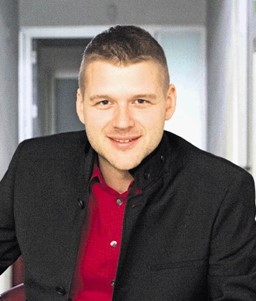
About Jernej Pintar
Jernej Pintar, PhD, is the CEO and Head of Tech Community at Technology Park Ljubljana. He describers himself as a “diagnostic” for scaleups and their growth. In his 15+ years career as community manager, he has been given the nickname “Doc Dynamite” due to his energy, passion, and overall exuberance. He is also a regular contributor to national newspapers where he strives to inspire for and promote entrepreneurship. He obtained a PhD from the University of Ljubljana on the topic of private-public partnerships. Additionally he was educated at the United World College in Norway, LSE in England, and at the Edinburgh University in Scotland.
Interview with... Dr. Jernej Pintar, CEO and Head of Tech Community at Technology Park Ljubljana
1) What inspired the creation of Technology Park Ljubljana?
In one sentence: the ingenuity of scientists, who were astute enough to know that Slovenia needs a strong platform for technology transfer.
After Slovenia became independent, it was paramount that our excellent researchers are given a support system that backs them in their entrepreneurial endeavours, and that in a society that was suspicious of entrepreneurs!
We have grown immensely from that, and today we specialize more in scaleup support, but our core remains in recognizing the value in basic research and maximizing its impact for the benefit of us all.
2) What potential to do you see in the Slovenian biotechnology sector?
Don’t quote me, but Slovenian scientists are highly valued not just in Europe, but all around the world. It takes just a quick Google search to see that we have generated minds such as dr. Andrej Šali, dr. Matija Peterlin, both from UCSF, and dr. Jure Leskovec & dr. Marinka Žitnik, both one of the most eminent scientists alive in the field of bioinformatics.
With talent such as that it is only natural that the biotechnology sector is marked for success in Slovenia, but we must make sure that we create a support system that allows them to reach their full potential right here at home. We have companies such as Bia Separations and Novartis in our backyard, so the future looks bright.
3) What are your plans for building a community in Europe?
Technology Park Ljubljana’s strength comes from its strong network. We believe that only through collaboration and co-creation, our region will flourish in all aspects. Joining associations such as EuropaBio is our attempt at being a valued partner is creating and strengthening the bonds between all that believe that share our values of knowledge, ambition, growth, and audaciousness.
4) How do you see Technology Park Ljubljana being able to reshape the biotech sector?
For the past 25 years we have been tyring our best to support excellent science and its researchers, but one thing that is still missing is a national testing ground, a physical space where students and researchers could test their biotech idea with little to no financial risk. Technology Park Ljubljana is fighting hard to find the best way to provide that, and also to be the best and most vocal supporter of the sector nationally and internationally.
Having a young and an enthusiastic community manager and a biochemist herself, I’m speaking of our Urška Rauter here, does not hurt as well :).