
#EUIndustryWeek2021: Bio4Products & Rehap
Moving Towards a Competitive European Bioeconomy: Emerging Biorefinery Technologies & Pathways to Deployment For Europe to move towards a competitive bioeconomy, is it is essential that […]
Moving Towards a Competitive European Bioeconomy: Emerging Biorefinery Technologies & Pathways to Deployment For Europe to move towards a competitive bioeconomy, is it is essential that […]
This two-part webinar on PanGenomes, which Keygene organizes together with an academic partner and Allen Sessions from BASF, will explain what one needs to construct PanGenomes […]
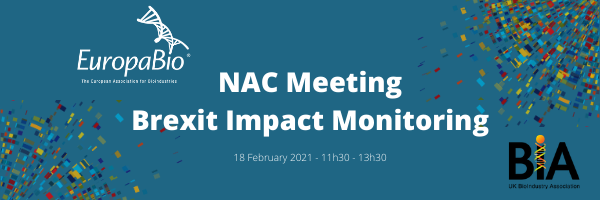
As part of the EuropaBio National Associations Council, this meeting kick starts a long term Brexit monitoring Group within EuropaBio which will support members to understand […]
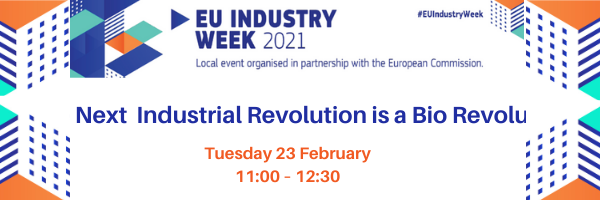
Global challenges like COVID-19 and climate change require a range of solutions, including those coming from innovative biotechnology. Life sciences and biotechnology is a key industrial […]

1st International Conference on Rare Diseases Different infrastructures and organisational arrangements are required in each country to address the healthcare needs of its rare disease population […]
Oncology is one of the most challenging areas for research and development, but there are critical junctures where the right environment is crucial for success - […]
Annual Conference on EU Law in the Pharmaceutical Sector (3-5 March 2021) Objective This online conference will bring legal practitioners working with the pharmaceutical sector up-to-date […]
Landscape and Positions for Economic Development: Industry and policy discussions to deliver biotechnology in Europe. European GDP benefitted by €38.5 bn in 2018, in the recent […]

Over 4% of the world’s population suffers from one or more of the over 80 autoimmune diseases identified to date. A large variety of treatment approaches […]

Discuss the concept of renewable carbon and get answers to all your questions. Get to know the people and companies behind the Renewable Carbon Initiative and […]

The 2020 Circular Economy Action Plan is one of the main blocks of the European Green Deal – Europe’s new agenda for sustainable growth – including initiatives along the entire […]
Driving Change – How Green Chemistry and Digitalisation lead the way to a Sustainable EconomyThe focus of their event is green chemistry and sustainable processes, focusing […]
The biomanufacturing of Vitamin B2 led to the reduction of 75% of fossil raw materials and 50% operating costs, compared to the chemical process. Vitamin B2 is used in the food, feed or healthcare sectors.
Insulin is one of the most widely known biopharmaceutical. Biotechnology revolutionised its manufacturing process and led to the development of new types of insulin through r-DNA technology.
Enzymes and biosurfactancts are alternative ingredients that improve the performance of detergents, while leading to water and energy savings and reductions in CO2 emissions and water toxicity.
Clothes made from alternative fibres produced by microorganisms can be 8x stronger than steel, 100% recyclable, biodegradable and replace fossil-fuel based or resource-intensive textiles.
Algal Omega-3 is an innovative feed product for aquaculture. It reduces the impact on climate change by 30-40% compared to fish oil and saves 60 tons of wild fish for every ton of Algal Omega-3 used.
Cheese is a vegetarian product thanks to biotechnology. Biotechnology is also essential to produce lactose- or cholesterol-free cheese, as well as alternative proteins.